
What does 5% nicotine mean in vape products?
Nov 22nd 2026
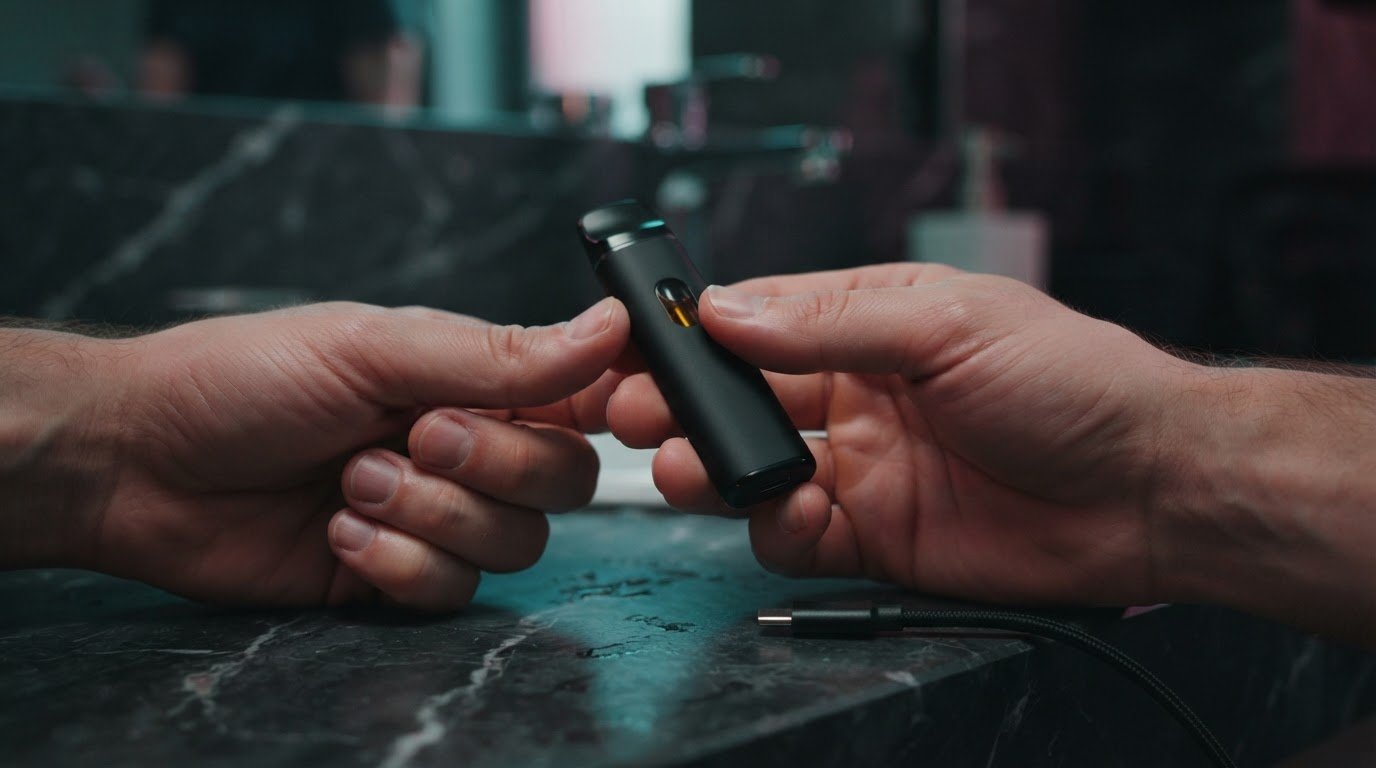
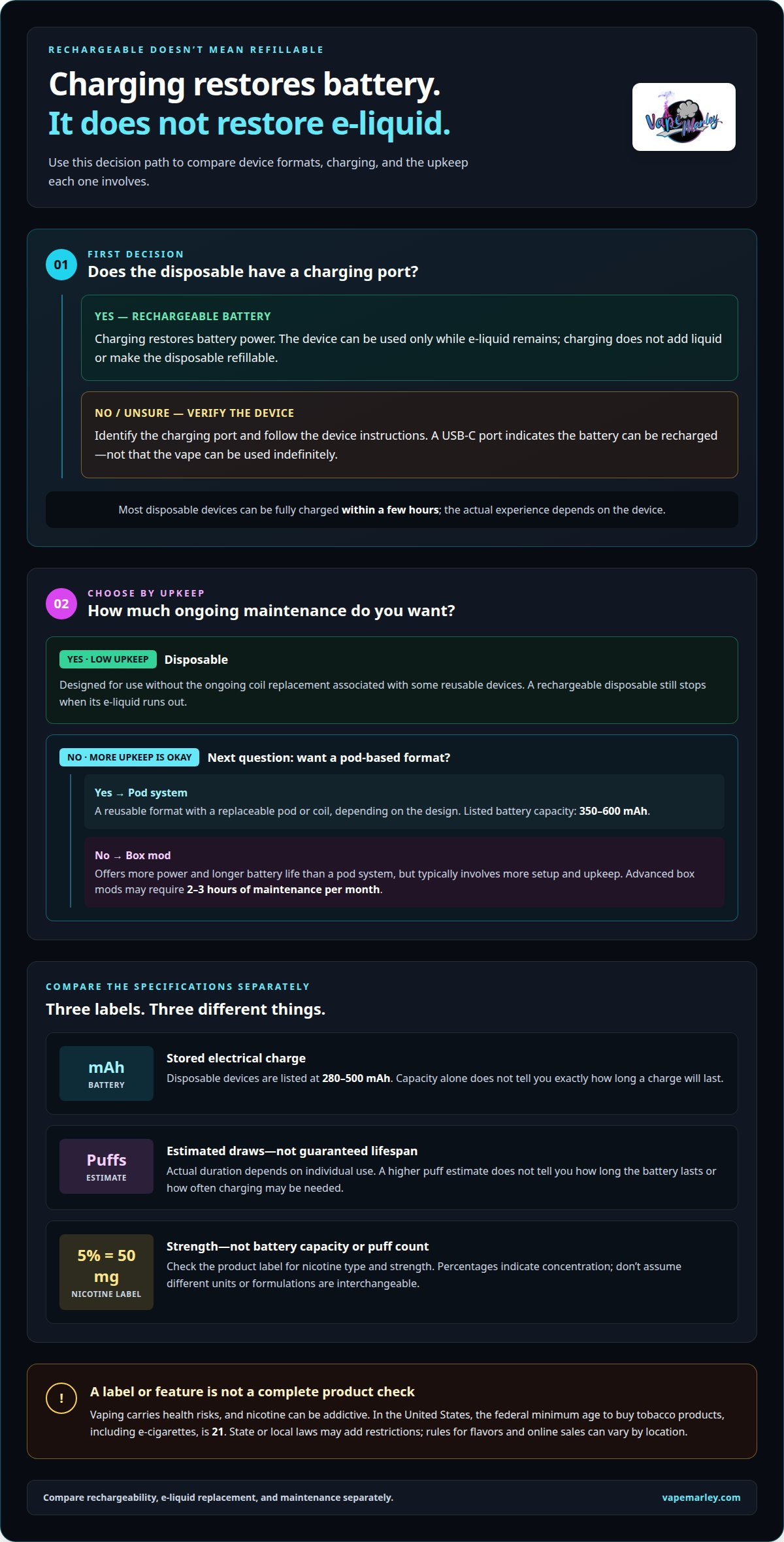
A vape can be rechargeable and still be disposable: charging restores battery power, but it doesn’t replace the e-liquid. On vape products, a 5% nicotine label corresponds to 50 mg, so it’s important to understand the strength as well as the device’s features before choosing.
It’s easy to assume that a charging port means a vape pen can be used indefinitely. In practice, a rechargeable disposable can be used only while it has e-liquid left. This guide explains how disposable vape pens work, what the 5% figure means, and how batteries, coils, and product quality shape your options.
You’ll also learn what to consider in a rechargeable device and why charging a disposable does not make it refillable. These details help you compare vape products based on how they work, rather than relying on a puff count or charging port alone.
Key Takeaways
- Read a 5% nicotine label as a strength indicator: it corresponds to 50 mg.
- Understand why recharging a disposable can restore battery power but won’t refill its e-liquid.
- Learn how battery capacity, e-liquid, and puff counts work together to shape device use.
- See how coil condition and device upkeep can affect flavor and the effort involved.
- Use clear product information and quality standards as useful signals when considering your options.
How Do Disposable Vape Pens Work?
A disposable vape pen uses a battery to heat e-liquid into an inhalable aerosol. Battery capacity, liquid formulation, nicotine strength, and the puff-count label each describe a different aspect of the device.
Battery Capacity and Puff Count
Battery capacity, measured in milliamp-hours (mAh), describes stored electrical charge. Disposable devices are listed with capacities of 280-500 mAh, while puff counts describe estimated draws, not battery size. Listed puff counts range from 9,000 to 100,000, and broader product descriptions range from 1,000 to 100,000. A high puff count isn’t a guarantee of equal use for every person.
Compare battery and puff details together. A higher estimated puff count does not tell you how long the battery will last or how often you may need to charge the device. Consider the stated capacity and expected use alongside the price, rather than treating price alone as proof of value.
Nicotine Types and E-Liquids
E-liquid is the liquid heated by a device. Disposable vape liquids may contain nicotine salts, while freebase nicotine is a different formulation. Check the product label for nicotine type and strength instead of assuming percentages are interchangeable. A percentage indicates concentration, not battery capacity or puff count.
Nicotine-strength labels can use different units, so check the product label rather than assuming a conversion. Some nicotine salt pod liquids list strengths of 40-50 mg. A 0% label means no nicotine strength is listed, while 2% indicates a different concentration from 5%. Flavor variety doesn’t change what the strength label means.
For example, a disposable pen with a 5% label pairs a nicotine-strength detail with a separate battery rating and puff estimate. Check each specification independently. Choose based on the strength shown on the label, not on the device’s flavor, size, or puff count. If the label is unclear, don’t guess from appearance.
In the United States, FDA rules govern the sale and marketing of e-cigarettes. Requirements depend on the product and the sales or marketing activity, so a general device description does not establish that every product or claim is permitted.
The federal minimum age to buy tobacco products, including e-cigarettes, is 21. State or local laws may add restrictions, so the rules can differ by location.
Flavored products and online sales may also face state or local restrictions. Whether a particular flavor or online transaction is allowed depends on the laws that apply where the customer is located.
Vaping carries health risks, and nicotine can be addictive. Young people face particular concerns from nicotine exposure; a 0% label indicates no nicotine strength, but it doesn’t make vaping risk-free.
Can I recharge and keep using it?
Some disposable devices can be recharged, but charging does not replenish the e-liquid. The device design determines what can be reused and how much setup or maintenance it requires.
Device Types and Pod Systems
Disposable vapes, pod systems, and box mods differ in how they’re powered and maintained. A pod system uses a pod and has a listed battery capacity of 350-600 mAh. A box mod offers more power and longer battery life than a pod system, but typically involves more setup and upkeep.
For a simpler routine, consider how much maintenance you want to handle. Disposables are designed for use without the ongoing coil replacement associated with some reusable devices. Pod systems fall between disposables and box mods, with a replaceable pod or coil depending on the design. Flavor variety may influence preference, but it does not determine battery life.
Charging and Reuse
A disposable vape pen with a USB-C port can be recharged and used until its e-liquid runs out. Charging restores battery power; it doesn’t add liquid or make the device refillable. Most disposable vape devices can be fully charged within a few hours, though the actual experience depends on the device.
Before recharging a device, identify its charging port and follow the instructions. A USB-C port indicates that the battery can be recharged, not that the device can be used indefinitely. Once the e-liquid runs out, charging will not restore it. This distinction separates battery reuse from refilling.
Pod systems are another option for people who want a reusable device format. Their listed battery capacity is 350-600 mAh, but capacity alone doesn’t establish how long a charge will last. Usage frequency and device design also influence battery life.
Lifespan and Maintenance Effort
Puff counts provide an estimate of device capacity, not a guaranteed lifespan. Disposable vapes are listed at 500-2,000 puffs, while actual duration depends on individual use. Frequent vaping can use the e-liquid sooner, so a puff estimate shouldn’t be treated as a fixed number of days.
Setup effort changes by device category. A disposable typically involves less maintenance than a box mod, while advanced box mods may require 2-3 hours of maintenance per month. Box mods offer more power and longer battery life than pod systems, but that added control comes with more upkeep.
Compare devices by asking three questions: Can the battery be recharged? Can the e-liquid be replaced? How much maintenance does the design require? A USB-C disposable can be charged while liquid remains, whereas a box mod requires regular maintenance. These differences matter more than flavor or puff-count labels alone.
Disposable vapes
A disposable vape combines a battery, heating element, and e-liquid in one device. Nicotine information and charging features describe separate aspects of the product, so compare them individually.
Disposable Device Components and Strengths
The battery supplies power, the heating element warms the liquid, and the mouthpiece delivers the aerosol. The reservoir holds the liquid until it runs out. These components work together, but the nicotine percentage describes liquid strength, not battery performance or device lifespan.
Most disposable vape products in the reviewed range list 5% nicotine strength. Two list 2%, and one lists 0%. A nicotine label alone does not establish that vaping is risk-free. Read the strength label separately from the flavor and puff estimate.
How Disposable Pens Work
Drawing on a disposable vape pen activates its heating element, which warms e-liquid for inhalation. The battery powers the process, and the reservoir supplies the liquid. When the liquid is depleted, the device cannot produce more aerosol, even if the battery still holds a charge.
This relationship matters when assessing puff estimates. A puff count is an estimated number of draws, not a fixed lifespan for every user. Draw length and frequency affect how quickly the liquid is consumed, so the same estimate can represent different periods of use.
Disposable vape pens bring the battery, liquid, and heating components together in one device. Unlike a refillable setup, they are not designed for users to add e-liquid to the reservoir. The device reaches the end of its usable life when its liquid supply runs out.
Rechargeable Disposable Features
Some disposable vape pens have a USB-C port. Recharging can keep the battery working while e-liquid remains, but it does not refill the reservoir. Treat the port as a battery feature, not a promise of unlimited reuse or an indication that every disposable model is rechargeable.
A rechargeable device may reach the end of its usable life with liquid remaining if its battery fails. On the other hand, charging can restore power when the battery is low and liquid remains. Battery condition and liquid supply are separate limits, so consider both when assessing how much recharging extends use.
Cost comparisons also involve more than the purchase of one device. Over a month of regular use, disposable vaping is estimated to cost 3-5 times more per puff than refillable pod systems. The comparison reflects repeated device purchases against the ongoing liquid and pod needs of a refillable setup; actual spending depends on use and product choices.
To compare options, consider how often you replace a device, whether you want to refill a pod, and how much setup you are comfortable with. A disposable has an integrated format, while refillable devices involve ongoing choices about components. Flavor may shape your preference, but it does not change nicotine strength or make a reservoir refillable.
Vape batteries and replacement coils
Battery condition and coil wear affect performance in different ways. Recognizing the difference can help you distinguish a depleted battery from a coil that needs attention.
Battery and Coil Lifespan
A pod-system coil typically lasts 5-10 days with regular use before its flavor becomes burnt or muted. Coils in sub-ohm tanks can sometimes last 2-3 weeks, depending on wattage and how often you vape. Treat those timeframes as device-specific estimates, not a promise that every coil will perform identically.
Battery performance can change as a rechargeable device is used. A charge that runs down sooner may reflect battery condition, but it does not show whether the coil is worn. Consider the signs separately: muted or burnt flavor can indicate coil wear, while reduced operating time concerns the battery.
Choose replacement coils designed for your device. A “premium” label alone does not establish that a coil fits or improves performance. Compare the device instructions with the replacement part’s stated compatibility before installing it.
Battery Indicators
A blinking indicator signals device status, but its meaning depends on the model. It may indicate a power or operating issue, and blink patterns can vary. Do not assume that every blinking light means the battery is empty.
Consult the device instructions to interpret an indicator before acting. Note whether it blinks while charging, during use, or after activation, since context can help distinguish signals. If the device also stops producing aerosol, consider both battery status and remaining e-liquid rather than treating the light as a definitive coil warning.
Chargers are another part of battery care. Use the charging method specified for the device, and do not rely on an indicator’s color or pattern if its meaning is unclear. There is no single light code for every vape battery, so a generic interpretation can mislead.
Safe Use, Storage, and Disposal
Use and store a vape device according to its instructions, especially around charging and battery handling. Lithium batteries in vape devices can catch fire or explode, and the U.S. Environmental Protection Agency reports that they have caused fires at waste facilities.
The U.S. Environmental Protection Agency advises taking e-cigarettes to a household hazardous waste collection site for disposal. Do not put a device in ordinary waste just because it is small; its lithium battery can create a fire risk after disposal.
Counterfeit batteries or chargers can make product identification and compatibility less certain. Rely on clear product information and instructions, not a “premium” claim alone. If a battery is damaged or behaves unexpectedly, stop using the device and follow the manufacturer’s safety guidance.
Brand reliability and product quality
Reliable product information helps distinguish useful quality signals from promotional language. When comparing disposables, pod systems, and box mods, review details about the product, its maker, and its intended use.
Clear product information is a practical starting point. Look for key specifications, including nicotine strength, battery features, and device format. A disposable vape listing, for example, should distinguish a rechargeable battery from a refillable device. Clear details help you understand what you are buying instead of relying on broad claims such as “premium” or “best.”
Authenticity involves more than a familiar brand name. Compare the product label and packaging with information from the named manufacturer, including the device type and nicotine strength. Inconsistent spelling, missing details, or packaging that differs from the manufacturer’s description are reasons to pause, though they do not by themselves prove a product is counterfeit.
Adults can legally buy nicotine vape devices from retailers that follow applicable federal, state, and local requirements. The federal minimum purchase age is 21, while state or local rules can further restrict flavors or online sales.
Quality considerations apply across device types. A box mod may offer more settings than a disposable, but extra controls do not automatically mean better quality. Some users may value adjustable features, while others may prioritize clear product information and a straightforward format. In either case, specifications should be clear before purchase.
Use these checks to assess a product listing:
- Confirm the device category, such as disposable, pod system, or box mod.
- Match the nicotine strength shown in the listing with the package label.
- Look for clear manufacturer identification and product details.
- Read the device’s use and charging instructions before operating it.
These steps can help identify inconsistencies, but they don’t guarantee authenticity. A professional listing should make core details easy to find, not ask buyers to infer them from a product photo or a “premium” claim. Retailers also have a role: clear descriptions and attention to quality standards help customers make informed choices.
For a practical next step, explore curated disposable vape options and use the product details to compare device format, strength, and features. A considered choice starts with information that matches the product, rather than popularity alone.
VapeMarley: Disposable Vapes
VapeMarley offers disposable vapes, vape accessories, and vape bundles. When comparing devices, consider details such as nicotine strength, charging features, and format. Many products contain nicotine, which is addictive. A rechargeable disposable still has a finite e-liquid supply, so keep that distinction in mind when choosing.
Clear specifications make it easier to compare options, whether you are considering an individual device or a bundle. VapeMarley’s selection of vaping products and accessories offers a practical next step after learning how disposable pens work.
Contact VapeMarley if you’d like help with your next step.
Make Your Next Choice With Confidence
Let your priorities guide your choice. Consider the experience you want, the upkeep you are comfortable with, and which product details matter most. Clear information makes it easier to compare vape products without letting a bold label or popular flavor decide for you.
If you’re ready to explore options, VapeMarley offers disposable vapes, vape accessories, and vape bundles. Take time to consider which format suits your preferences, then use the available product information to make a considered choice. The right decision is the one that fits your needs and feels informed.
Contact VapeMarley for product help and take your next step with confidence.
Frequently Asked Questions
Which Vapes Actually Last?
A higher advertised puff count may mean more estimated draws, but no label guarantees how long a vape will last for you. Usage frequency, draw length, battery condition, and e-liquid supply all matter. When comparing vape products, consider the puff estimate alongside charging features rather than choosing by count alone. A rechargeable disposable can extend battery use, but its usable life still ends when its e-liquid runs out.
What Is a Puff Count?
A puff count is an estimate of how many draws a device may provide, not a precise measure of days or weeks of use. Treat it as one specification when comparing vape products, then consider your vaping frequency and draw length. Two people using the same device may reach its limit at different times, despite starting with the same estimate.
What does a blinking light mean on my vape pen?
A blinking light signals device status, but the meaning varies by model. Note whether it flashes during use, while charging, or after activation, then consult the instructions for that pattern. A light that blinks only after connection to a charger, for example, may signal something different from one flashing during a draw. Do not assume a universal color code applies across vape pens.
What types of vape products are available in the United States?
Common categories include disposable vapes, refillable vape kits, pod systems, and box mods. Features and availability can vary with state or local restrictions, especially for flavors and online sales. In the United States, buyers must be at least 21. At VapeMarley, purchases require age verification at checkout, and products are intended for adult use. Nicotine is addictive, so review the product label before deciding.
How do disposable vapes, refillable vape kits, and pod systems compare?
Disposable devices combine their main components in one format, while refillable kits let users add e-liquid and replace parts. Pod systems use pods and generally require less setup than box mods, though maintenance depends on the design. Consider whether you prefer a ready-to-use format or ongoing choices about liquid and replacement parts. Your routine, not just device size, can help narrow the options.
How much do vape devices, pods, e-liquids, and replacement coils cost?
There is no single cost that applies across these categories. Device type and the components that need replacing affect ongoing spending. A disposable means replacing the whole device, while a refillable setup involves purchasing e-liquid and compatible parts over time. Compare the specific items and how often you expect to replace them; one purchase price does not show the full cost of regular use.
What nicotine strengths and e-liquid ingredients are common in vape products?
Labels commonly show nicotine strength as a percentage, and a 5% label corresponds to 50 mg. Other listed strengths include 2% and 0%; the last indicates no nicotine strength. Disposable vape liquids are described as containing nicotine salts, while formulations differ across products. Read the package to identify the stated strength and nicotine type. Nicotine is addictive, so a lower or zero label shouldn’t be treated as proof that vaping is risk-free.
What are the health risks of vaping, including nicotine addiction and effects on young people?
Vaping carries health risks, and nicotine can be addictive. Young people face particular concerns from nicotine exposure; a 0% nicotine label does not make vaping risk-free.