
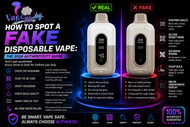
How to Spot a Fake Disposable Vape: The 2026 Authenticity Guide
Jun 20th 2026
Since the federal ban on disposable vapes took effect in June 2025, any device you find on a retail shelf today is statistically more likely to be a dangerous clone than a genuine product. You want a seamless experience without the anxiety of inhaling unknown chemicals or wasting money on a device that fails after ten puffs. It's exhausting to deal with blurry packaging and confusing verification codes when you just want a reliable product. Learning how to spot fake disposable vape models is no longer just about getting your money's worth; it's a critical safety measure to protect your lungs.
We're here to help you move through this high-risk market with confidence. This 2026 authenticity guide reveals the exact digital and physical red flags you must look for before you buy. We'll walk you through a clear verification checklist, from checking the mandatory holographic federal duty stamps to identifying the signs of unregulated lithium-ion batteries. You'll gain a full understanding of the health risks associated with counterfeit clones and discover how to locate a professional, trusted source that prioritizes your well-being.
Key Takeaways
- Understand the severe health risks associated with counterfeit vapes, including exposure to heavy metals and volatile battery failures.
- Master how to spot fake disposable vape products by utilizing digital verification tools and the critical scan count rule.
- Identify physical red flags on packaging such as spelling errors, incorrect font weights, and the lack of tactile security features.
- Recognize performance-based warning signs like chemical flavors and poor vapor production that indicate a clone device.
- Learn why purchasing from established, age-verified retailers is the only way to guarantee the authenticity of your vape.
Why Authenticity Matters: The Real Dangers of Fake Vapes
Vaping should be a controlled, high-quality experience. When you pick up a device from a reputable brand, you're paying for engineering, safety testing, and ingredient transparency. Counterfeiters strip all of that away to maximize profit. Learning how to spot fake disposable vape models is the only way to ensure you aren't inhaling industrial byproducts or carrying a fire hazard in your pocket. These clones might look identical on the outside, but the internal components are often sub-standard and dangerous.
The Health Risks of Unverified E-Liquids
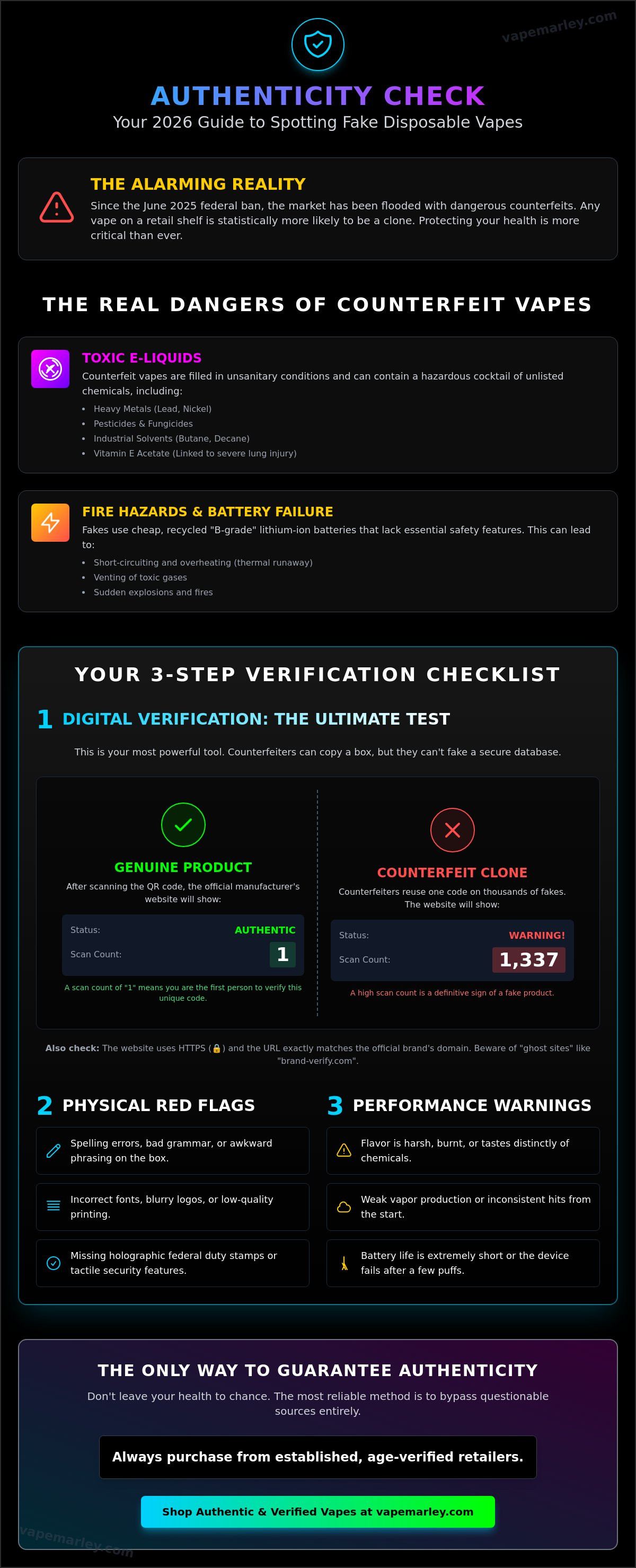
Authentic manufacturers operate in clean-room environments and submit their e-liquids for third-party lab testing. Counterfeit "basement" operations don't follow these rules. A 2020 study published in the journal Toxics revealed that unverified vape cartridges can contain a cocktail of respiratory toxicants, including butane, decane, pesticides, and heavy metals. These contaminants are never found in legal, regulated products. For a foundational Electronic cigarette overview, it's clear that the industry's safety profile depends entirely on these strict manufacturing standards. Without them, you risk exposure to Vitamin E acetate, a known cause of serious lung injury.
Fire Hazards and Battery Failures
The battery is the most expensive part of a disposable vape. To cut costs, counterfeiters frequently use "B-grade" or even recycled lithium batteries that have failed original quality checks. These low-quality cells lack the internal circuitry required for short-circuit protection. When these batteries fail, they can undergo a process called thermal runaway, leading to overheating, venting, or even explosions. You should never charge an unverified device overnight or leave it in a hot car. Authentic devices are designed to handle the stress of daily use; clones are a ticking clock.
Lack of Quality Control and Legal Realities
Safety isn't the only concern; performance often suffers too. Counterfeit vapes frequently feature inconsistent nicotine levels, meaning you might receive much more or less than the label claims. The heating coils are often made from cheap alloys that can leach toxins when heated. Beyond the physical risks, buying fakes supports a shadow market. These illicit operations bypass age-verification protocols and fund criminal networks that undermine the legal industry's efforts to remain a responsible, adult-only marketplace. Choosing a genuine product is a vote for your health and for a transparent, law-abiding industry.
Digital Verification: Using QR Codes and Security Labels
Digital verification is the primary line of defense in protecting yourself from counterfeit hardware. While physical inspection is helpful, the digital trail is much harder for scammers to forge perfectly. Most leading brands now include a dedicated authenticity sticker featuring holograms, scratch-off panels, and unique QR codes. Learning how to spot fake disposable vape units starts with understanding that every legitimate device has a unique digital identity that exists on the manufacturer's secure database.
The most critical metric to watch is the "Scan Count." When you scan a genuine QR code for the first time, the official result page should clearly state that this is the first time the code has been queried. If the result page informs you that the code has been scanned hundreds or thousands of times, you're holding a counterfeit. Scammers often steal a single authentic code and print it on thousands of fake boxes. For more context on why these regulations exist, you can review FDA information on e-cigarettes to understand the broader safety framework.
How to Correctly Scan and Verify
Use your smartphone camera to scan the code after scratching off the protective layer. Pay close attention to the landing page that loads. A legitimate site will always use an "https" connection, indicated by a padlock icon in your browser's address bar. If the link is broken, takes too long to load, or redirects you to a generic search engine, the product is likely fraudulent. Always check that the domain name matches the manufacturer exactly before trusting the "Authentic" badge on the screen.
Spotting "Ghost" Verification Sites
Counterfeiters have become sophisticated, often creating "ghost" websites that mimic official brand portals. They might use URLs like "brand-verify.com" instead of the official "brand.com." Always cross-reference the URL printed on the box with the manufacturer's official headquarters listed on their verified social media or primary website. If the results look amateurish or contain spelling errors, trust your instincts. To avoid these risks entirely, it's best to source your disposable vapes from established retailers who vet their inventory directly with manufacturers.
If the QR code won't scan, look for the manual serial number. Most portals allow for direct serial number entry. This manual check is a fail-safe that ensures you aren't being tricked by a manipulated QR link. If the manual entry returns an "invalid" result, do not use the device. These digital tools are designed to give you peace of mind, but they only work if you're vigilant about where the data is leading you.
Physical Red Flags: Packaging and Device Construction
Digital verification is your first line of defense, but physical hardware provides the ultimate proof of origin. Counterfeiters often mirror the digital experience but fail to replicate the precision engineering of authentic production lines. Learning how to spot fake disposable vape units requires a keen eye for detail regarding the materials you hold in your hand. In 2026, legitimate manufacturers have adopted advanced anti-counterfeit packaging standards, including micro-text and specific tactile varnishes that basement-level operations simply cannot afford to mimic.
Analyzing the Box and Legal Warnings
Start with the exterior. Authentic packaging uses high-grade, heavy cardstock that feels substantial. If the box feels flimsy or the colors appear washed out, be cautious. Check the font weights; clones often use slightly thinner or thicker versions of the official brand typeface. You must also verify the presence of mandatory regulatory nicotine warning labels. These should be crisp, centered, and easy to read. This TGA warning on counterfeit vapes highlights that these unregulated products often omit critical safety data or use incorrect batch number formats. Always cross-reference the batch number and expiration date on the box with the information printed on the device itself. If they don't match, it's a clone.
Build Quality and Material Integrity
The device construction is a vital indicator when figuring out how to spot fake disposable vape products in the wild. Authentic vapes have a specific "heft" due to the high-quality lithium batteries and internal frames used. If a device feels unexpectedly light or "plasticky," it's a major red flag. Examine the assembly points closely. Look for these specific defects:
- Charging Port Alignment: On genuine devices, USB-C ports are perfectly centered and flush with the casing. In fakes, the port may be crooked, recessed, or show visible gaps.
- The "Rattle" Test: Shake the device gently. Legitimate internal components are secured with precision. A noticeable rattle suggests poor internal assembly or loose wiring.
- Mouthpiece Finish: Check for rough edges or poorly molded plastic. Authentic mouthpieces are smooth and ergonomically finished for comfort.
- LED Indicators: Genuine LEDs produce a soft, diffused glow. Counterfeits often use harsh, overly bright bulbs or display incorrect color sequences during a draw.
High-resolution printing is the standard for 2026. If you notice grainy gradients or blurry logos, the manufacturer likely skipped the expensive lithographic printing process used by major brands. These physical shortcuts are more than just aesthetic issues; they're clear indicators that the safety of the internal electronics has also been compromised. Trust the texture of the device. If the finish feels "off" or the branding wipes away easily with a thumb, it's time to find a more reliable source.
Performance Warning Signs: Flavor, Vapor, and Battery
Even if the packaging is convincing, the actual usage experience often reveals the truth. Understanding how to spot fake disposable vape models requires paying attention to the first few puffs. Authentic brands invest heavily in flavor consistency and airflow engineering, two things counterfeiters rarely get right. If the performance feels inconsistent or the device behaves unpredictably, you're likely dealing with a clone that has bypassed all standard quality control protocols.
The Taste Test: Identifying E-Liquid Discrepancies
Fakes often use excessive sweeteners to mask the bitter or chemical taste of low-quality, unregulated nicotine. You might notice a harsh, peppery throat hit that doesn't match the nicotine strength stated on the label. Authentic e-liquids are balanced and clean. If you detect a lingering metallic aftertaste or a flavor that reminds you of household cleaners or cheap perfume, stop using the device immediately. This metallic profile usually indicates that the heating coil is made of inferior, reactive materials that leach into the vapor during the heating process. Legitimate manufacturers use medical-grade components to ensure the flavor remains pure from the first draw to the last.
Longevity vs. Claims
A major red flag is a device that dies well before its advertised capacity. If your "15,000 puff" device runs out of battery or liquid after only a few hundred draws, you're holding a counterfeit. Scammers use small, low-capacity batteries and simply print high numbers on the box to entice buyers. Pay close attention to the temperature of the device. While all electronics generate some heat, a counterfeit unit may become excessively hot to the touch while charging or during a long draw. This signals that the internal circuitry is poorly insulated or that the battery is struggling to manage the power load. To avoid these performance failures and the associated safety risks, always buy your authentic disposable vapes from a source with a proven track record for reliability.
Airflow and vapor density are also key indicators of build quality. Authentic devices provide a smooth, silent, and consistent draw. If your vape whistles loudly or feels like you're sucking through a clogged straw, the internal assembly is flawed. Similarly, thin, wispy vapor that lacks density is a sign of a weak battery or a poorly saturated wick. Leaking e-liquid is another common performance failure in clones; they lack the precision seals and vacuum-pressure testing found in genuine hardware. Recognizing the difference between a "dud" (a rare manufacturing error in a real brand) and a counterfeit is simple: if every feature from the taste to the battery life feels "off," it's a fake.
Where to Buy Authentic Disposable Vapes with Confidence
The most effective strategy regarding how to spot fake disposable vape products is to avoid high-risk sellers entirely. While physical and digital checks are vital, your choice of retailer acts as the ultimate filter. Authentic products are rarely found in gas stations or through social media "plugs" who operate in the shadows. These sellers often source from grey-market wholesalers who prioritize low costs over consumer safety. Instead, stick to established, age-verified online retailers who provide transparent business information and secure payment gateways.
VapeMarley's commitment to your safety is absolute. We provide a 100% authenticity guarantee on every item we stock. Our team performs a rigorous brand vetting process, ensuring that every batch comes directly from authorized distributors or the manufacturers themselves. We've already done the heavy lifting of verifying holographic stamps and digital codes so you don't have to. Our goal is to provide a seamless experience where you never have to second-guess the hardware in your hand.
Vetting Your Online Vape Shop
When browsing a new store, check for an SSL certificate, which is indicated by the padlock icon in your browser. Look for clear contact information and a physical business address. Reputable shops will also be present on third-party review platforms like Trustpilot or Google Reviews. Transparent shipping and return policies are signs of a professional operation that values customer loyalty. You can view our Verified Brands list to see the strict standards we require from our suppliers before their products reach our inventory.
What to Do if You Bought a Fake
If you discover you've purchased a counterfeit, the first step is the most important: stop using it immediately. Do not attempt to finish the e-liquid or recharge the battery. Counterfeit lithium-ion cells are prone to thermal runaway, especially when connected to a power source. These unregulated batteries can overheat or vent without warning. Safety must always be your top priority. After you've stopped using the device, take the following steps:
- Report the Seller: Notify the manufacturer's official website about the counterfeit. They often track these incidents to shut down illicit production lines.
- Notify Authorities: If you're in the United States, you can report the fraudulent product to the FDA through their safety reporting portal.
- Dispose Responsibly: Take the device to a dedicated e-waste recycling center. Never throw lithium-ion batteries in your standard household trash, as they pose a significant fire risk to waste management facilities.
Learning how to spot fake disposable vape units is a skill that protects your health and your investment. By sourcing your devices from curated experts and staying vigilant about packaging red flags, you can enjoy the variety and excitement of the industry with total peace of mind. Authenticity isn't just a label; it's a guarantee of quality and safety.
Secure Your Vaping Experience Today
Navigating the 2026 marketplace requires constant vigilance, but you now possess the essential tools to protect both your health and your investment. Digital verification remains your most reliable line of defense. Always prioritize checking the unique scan count on official manufacturer portals and look for the mandatory holographic duty stamps on every box. Mastering how to spot fake disposable vape models ensures you avoid the severe risks of unregulated chemicals and dangerous battery failures.
Eliminate the guesswork by choosing a provider that values transparency as much as you do. Shop 100% Authentic Disposable Vapes at VapeMarley to benefit from our direct-from-manufacturer supply chain and rigorous brand vetting process. We ensure every device meets strict safety standards before it reaches your door with our fast, discreet shipping across the United States. Stay informed, stay safe, and continue to enjoy the variety of the industry with absolute confidence.
Frequently Asked Questions
Can I still use a fake vape if it tastes okay?
No, you should stop using the device immediately once you suspect it's a counterfeit. Flavor is a poor indicator of safety. Even if the taste seems normal, the e-liquid could contain toxic heavy metals or respiratory irritants like Vitamin E acetate. These unregulated devices also use low-grade batteries that lack short-circuit protection. Protecting your health is more important than finishing a single device; dispose of it at an e-waste center right away.
How do I check if my Geek Bar or Lost Mary is real?
Check your device by visiting the official manufacturer's verification portal. Every legitimate unit comes with a scratch-off security label on the packaging. Reveal the code and enter it manually or scan the QR code. Be vigilant about the website URL. Scammers often create lookalike sites to provide fake "authentic" results. Always cross-reference the site address with the brand's verified social media profiles to ensure you're on the correct domain.
Why do fake vapes have the same QR codes as real ones?
Counterfeiters print identical QR codes on thousands of boxes to trick unsuspecting buyers. They simply copy a single valid code from an authentic device and duplicate it across an entire production run. This is why the digital scan count is so important. While the code itself might be "real" in the database, the fact that it has been queried hundreds of times proves the product is a fraudulent clone.
What is the scan count on a vape verification page?
The scan count is a security feature that tracks how many times a unique code has been verified. When you scan a genuine product, the count should ideally be "1." If the result shows that the code has been checked dozens or hundreds of times, the device is fake. This is a foolproof way to identify when a single legitimate code has been mass-produced on counterfeit packaging to bypass basic visual checks.
Is it illegal to buy a clone or fake disposable vape?
Purchasing a fake vape isn't a crime for the consumer, but selling them is illegal. Counterfeit products fail to meet federal safety standards and often bypass mandatory age-verification protocols. By avoiding these clones, you protect yourself from potential health hazards and legal complications. It's always safer to buy from established, transparent retailers who guarantee the authenticity of their entire inventory and follow all industry regulations.
How can a gas station sell fake vapes without knowing?
Retailers like gas stations often buy from secondary wholesalers who may not vet their supply chains. These middlemen sometimes mix counterfeit units with genuine stock to lower their overhead and increase margins. Unless a shop owner scans every individual box, they might not realize they're selling clones. This highlights the importance of knowing how to spot fake disposable vape hardware by checking for duty stamps or digital scan counts before you pay.
Do fake vapes have nicotine in them?
Most fake vapes do contain nicotine, but the concentration is rarely accurate. Lab tests on clones often show nicotine levels that are much higher or lower than the packaging suggests. The nicotine used is typically industrial-grade and lacks the purity of regulated e-liquids. This can lead to an inconsistent experience and potentially dangerous levels of intake that the original manufacturer never intended for adult consumers.
What should I do if a QR code says "Already Scanned"?
If your verification page shows the code was already scanned, you should treat the device as a counterfeit. This result confirms that the security code is not unique to your specific unit. It's a common red flag when learning how to spot fake disposable vape models. In regions like Canada, you should also check for the mandatory holographic federal duty stamp. Return the product to the seller immediately and request a refund.